

A novel staging system for coronary artery disease (CAD) has been introduced, relying on imaging techniques to quantify plaque buildup in the coronary arteries. This new approach aims to help doctors better identify individuals at high risk for serious cardiovascular events such as heart attacks and strokes.
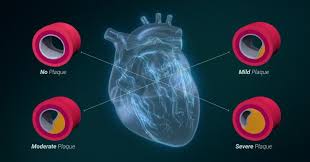
Coronary artery disease occurs when plaque accumulates inside the arteries that deliver blood to the heart. It is the most prevalent form of heart disease in the United States.
As plaque deposits grow, arteries narrow, reducing blood flow. This can cause chest discomfort known as angina and is a major cause of heart attacks and heart failure.
Researchers have recently proposed a staging system that classifies CAD according to the amount of plaque detected in the coronary arteries. This system is currently under clinical evaluation. Here’s an overview of what this new CAD staging model involves.
Why Stage Coronary Artery Disease?
Staging systems help healthcare providers gauge the severity and extent of a disease. This insight assists in managing the condition and forecasting outcomes.
Many medical conditions, such as hypertension and cancers, are staged to inform treatment decisions.
Heart disease remains the leading cause of death in the U.S., responsible for approximately 702,000 deaths in 2022. CAD contributes heavily to these numbers, causing around 371,000 deaths in the same year.
Until now, no standardized staging system for CAD has existed that helps clinicians pinpoint patients at greatest risk for major adverse cardiovascular events (MACE) like heart attacks or strokes.
Currently, risk assessment relies largely on factors like age, sex, lifestyle, and other medical conditions. While useful, these factors don’t directly measure the presence or severity of artery plaque.
This gap means some patients with risk factors but minimal plaque may receive unnecessary treatment, while others with significant plaque but few risk factors might not get adequate care.
The new staging system aims to improve this by categorizing CAD based on actual plaque burden. Ongoing clinical trials are evaluating whether this method more effectively predicts and prevents MACE compared to risk-factor-based assessments.
The Four Stages of Coronary Artery Disease
Introduced in 2022, the proposed staging system uses coronary computed tomography angiography (CCTA) to measure plaque in the coronary arteries.
Two key measurements define the stages:
-
Total Plaque Volume (TPV): The overall volume of plaque, measured in cubic millimeters.
-
Percent Atheroma Volume (PAV): The percentage of the artery wall occupied by plaque.
The stages are as follows:
-
Stage 0: No plaque detected; TPV and PAV are zero.
-
Stage 1: Mild plaque buildup, defined as TPV up to 250 mm³ or PAV up to 5%. Blood flow is usually still normal.
-
Stage 2: Moderate plaque, with TPV between 250 and 750 mm³ or PAV between 5% and 15%.
-
Stage 3: Severe plaque accumulation, defined as TPV over 750 mm³ or PAV exceeding 15%. Blood flow to the heart may be compromised.
When Will This Staging System Be Used?
The CAD staging system is not yet in clinical use. It must first be validated by studies demonstrating it is at least as effective as current methods in reducing major cardiovascular events.
The ongoing TRANSFORM trial, launched in 2024 and expected to run through 2029, is assessing the new system’s predictive accuracy and impact on treatment outcomes.
Preliminary findings from a smaller study involving 328 individuals showed that those with stage 2 and 3 CAD had three to six times greater 10-year risk of MACE compared to those in stages 0 and 1 combined. However, larger studies are needed to confirm these results.
Researchers plan to enroll approximately 7,500 participants in the TRANSFORM trial.
How Is CAD Staged?
The new system relies on coronary computed tomography angiography (CCTA), a noninvasive imaging test that uses X-rays to create detailed, 3D images of the heart’s blood vessels.
During CCTA, a contrast dye may be injected to highlight narrowed or blocked arteries. The test typically takes 5 to 10 minutes and does not require surgery or catheterization.
Doctors analyze the 3D images to measure plaque volume and assess how much the arteries are narrowed.
Impact on Treatment Decisions
A reliable staging system can help doctors identify patients at high risk for heart attacks and strokes earlier, allowing them to initiate preventive treatments sooner.
This could be especially valuable for individuals who have significant plaque buildup but few traditional risk factors or symptoms—patients who might otherwise be overlooked.
By stratifying patients more accurately, the new system may help tailor treatment plans and improve outcomes.
When to Speak with a Healthcare Provider
If you have concerns about your risk of coronary artery disease, consult a healthcare professional. They can evaluate your medical history, assess risk factors, and order diagnostic tests as needed.
Chest pain (angina) is the most common symptom of CAD, but it can also signal a heart attack. Seek emergency care if you experience chest pain, shortness of breath, or other concerning symptoms.
Frequently Asked Questions About Coronary Artery Disease
Can CAD progression be stopped?
While CAD cannot be reversed, medications and lifestyle changes can slow or halt its progression.
What is the life expectancy for someone with CAD?
Many people with CAD live long lives with appropriate care, but CAD increases the risk of heart attacks, which on average can reduce life expectancy by about 16 years.
Summary
A new staging system for coronary artery disease has been proposed that classifies patients based on plaque volume in their coronary arteries measured through imaging. Although not yet in clinical use, early data suggest it may better predict the risk of serious heart-related events compared to traditional risk factor assessments.
The ongoing TRANSFORM clinical trial will provide more definitive answers. Meanwhile, if you have concerns about CAD, discussing your risk with a healthcare provider remains important.
