

As we grow older, our immune system also undergoes changes. Typically, the immune system’s efficiency declines with age, a process known as immunosenescence. This decline can raise the risk of:
-
Infections
-
More severe infection outcomes
-
Cancer
-
Autoimmune disorders
-
Heart disease
-
Neurodegenerative conditions
Researchers are still exploring the exact causes behind these changes, but several factors seem to play a role:
-
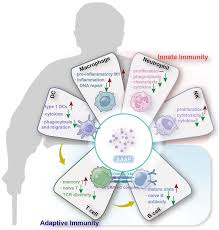
Decrease in immune cell quantity and function: With age, the body may produce fewer immune cells such as T-cells and macrophages, and those produced may work less effectively. This weaker immune response makes it harder for the body to fight infections or eliminate mutated cells that could lead to cancer.
-
Increased inflammation: Aging and a less effective immune system often coincide with chronic, low-level inflammation. This may stem from an imbalance between pro-inflammatory and anti-inflammatory immune cells. Such persistent inflammation can impair immune defense and cause damage to tissues.
-
Weakened vaccine response: Older adults generally have a less vigorous immune reaction to vaccines, making it easier for viruses to infect and spread within this population.
How Can You Support Your Immune System as You Age?
While aging itself cannot be stopped, research has identified several ways to potentially lower the risk of immune system decline in older adults:
-
Promote a healthy gut microbiome: Studies suggest that following a Mediterranean diet—which is rich in plant-based foods and fiber—helps foster a diverse and healthy gut microbiota. This diet limits processed foods, red meats, and refined grains. Taking probiotics may also be beneficial.
-
Engage in regular physical activity: Exercise tailored for older adults, such as walking or other low-impact activities, can enhance immune responses. Staying active supports overall immune health.
-
Stay up to date with vaccinations: Some vaccines are specially formulated for older adults, featuring higher doses or more frequent boosters to improve protection. Keeping current on vaccinations can prevent severe illness that might otherwise weaken the immune system.
-
Reduce oxidative stress: As the immune system ages, its ability to handle oxidative stress—an imbalance between free radicals and antioxidants that damages cells—diminishes.
Scientists are also examining how certain medications might influence aging and immunity. For example, metformin, a common diabetes drug, shows promise in lowering oxidative stress and preserving immune cell function in older people. However, more research is needed, and metformin is not yet approved for immune health purposes.
What Vitamins and Supplements Can Help Older Adults’ Immune Systems?
Some evidence indicates that probiotics may help maintain gut microbiome diversity, supporting immune function. Additionally, vitamin E supplements might aid immune cell production in older adults. Vitamin E is naturally found in nuts and seeds, which also provide fiber and other nutrients beneficial to overall health.

This article breaks it down well. Aging definitely weakens the immune response — I’ve noticed it firsthand with my parents getting sick more often
Totally agree! It’s a reminder why nutrition, exercise, and vaccines are so important as we get older.
I think the article is a bit too generalized. Yes, immune decline happens, but lifestyle and genetics play a huge role — it’s not just about age.