

Soul food holds a special place in African American history and culture (1Trusted Source).
Often described as Southern cooking, it spread across the United States during the Great Migration, when African Americans relocated from the South in the early to mid-1900s.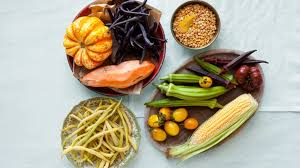
Classic soul food meals include comforting staples such as fried chicken, rice and beans, collard greens with ham hocks, and larger feasts featuring gumbo, candied yams, smothered pork chops, black-eyed peas, macaroni and cheese, cornbread, sweet potato pie, and peach cobbler.
Soul food is more than cuisine — it represents family, memory, resilience, and a deep cultural identity.
This article explores what defines soul food, examines its health impact, and offers practical tips for making traditional dishes both nourishing and flavorful.
Is Soul Food Healthy?
The Southern diet — often linked with soul food — tends to include fried foods, organ meats, processed meats, eggs, added fats, and sweetened drinks.
Research has connected this eating pattern with a higher likelihood of heart disease, stroke, diabetes, kidney disease, cancer, and cognitive decline (2Trusted Source, 3Trusted Source).
The CDC reports that African Americans between ages 18 and 49 are twice as likely to die from heart disease as white Americans, while those aged 35–54 are 50% more likely to have high blood pressure (4Trusted Source).
Although social and economic disparities are key contributors to these differences, dietary habits also play a part.
However, not all soul food is unhealthy. Many traditional dishes feature nutrient-rich foods such as leafy greens, beans, and grains — all part of a balanced diet.
Summary:
While certain soul food favorites are high in sodium, fat, and sugar, many others are full of nutritious ingredients. The key lies in how the dishes are prepared and balanced.
Preserving Culture While Supporting Health
Soul food is a living expression of heritage, history, and community.
Enhancing its nutritional value doesn’t mean giving up tradition — it’s about keeping the spirit of the cuisine alive while making thoughtful, health-conscious changes.
Even small adjustments to recipes and techniques can create flavorful, nourishing versions of beloved classics.
1. Emphasize Plant-Based Foods
Traditional African diets were primarily plant-based, with an abundance of vegetables, legumes, fruits, and grains such as okra, greens, black-eyed peas, watermelon, and millet (5Trusted Source, 6).
Meat was typically used in small amounts, often as a seasoning rather than the main course (7).
Plant-focused diets are associated with lower body weight and a reduced risk of chronic illnesses (5Trusted Source).
One review found that people who regularly ate leafy and cruciferous vegetables — like collard greens, kale, and cabbage — had nearly a 16% lower risk of heart disease (8Trusted Source).
Tips to Add More Plant Foods:
-
Fill half of your plate with non-starchy vegetables like greens, okra, eggplant, tomatoes, or carrots.
-
Use beans, lentils, nuts, or seeds as the protein base in some meals.
-
Incorporate roots and tubers such as sweet potatoes, taro, or pumpkin.
-
Snack on raw vegetables, nuts, or seeds instead of chips or cookies.
-
Include two or more colorful plant foods in every meal for variety and nutrients.
2. Choose Whole Grains
The USDA recommends that at least half of all grains eaten be whole grains (9Trusted Source).
Whole grains — such as brown rice, whole wheat, oats, barley, millet, fonio, and sorghum — contain all parts of the grain, offering more fiber, vitamins, and minerals than refined grains.
These grains can help with weight control, digestion, and the prevention of heart disease, diabetes, and some cancers (10).
Traditional soul food favorites like macaroni, cornbread, and rice can easily be made with whole-grain alternatives.
Ways to Incorporate Whole Grains:
-
Swap white flour for whole wheat or whole-grain cornmeal.
-
Use brown rice, millet, or sorghum instead of white rice.
-
Choose packaged foods that list whole grains among the first ingredients.
-
Try baking with whole-grain flours such as teff, sorghum, or whole wheat.
3. Season with Herbs, Spices, and Aromatic Vegetables
Soul food often relies on high-sodium seasonings and cured meats like ham hocks or bacon for flavor.
Too much sodium is linked with elevated blood pressure, stroke, and heart disease (11Trusted Source, 12Trusted Source).
African Americans, in particular, tend to benefit from reducing sodium — cutting back can lower systolic blood pressure by 4–8 mmHg (11Trusted Source).
Aromatic vegetables, herbs, and spices can add layers of flavor and antioxidants without relying on salt (13Trusted Source).
How to Reduce Sodium:
-
Explore bold spice blends such as berbere, curry powder, or harissa.
-
Add dried herbs early in cooking and fresh herbs near the end.
-
Buy fresh or frozen vegetables without added salt, or rinse canned vegetables before using.
-
Avoid salting your food before tasting it.
-
Create a homemade salt-free seasoning mix with:
-
2 tbsp black pepper
-
1 tbsp cayenne pepper
-
1 tbsp paprika
-
1 tbsp onion powder
-
1 tbsp garlic powder
-
1 crushed bay leaf
-
4. Cook in Healthier Ways
Cooking methods can greatly influence both nutrient retention and health outcomes.
Fried foods — such as fried chicken, fried fish, and fried potatoes — are linked with an increased risk of heart disease and early death (14Trusted Source).
Cooking at high temperatures, including frying and grilling, can produce compounds like HCAs and PAHs, which may raise cancer and diabetes risks (15–18Trusted Source).
Gentler methods like steaming, boiling, stewing, or sautéing can preserve nutrients while minimizing harmful effects. You can also save the nutrient-rich liquid (known as potlikker) from greens or beans and reuse it in soups or sauces.
Healthy Cooking Tips:
-
Trim visible fat and remove charred areas from meat.
-
Aim for a golden, not dark brown, finish when cooking starchy foods.
-
Marinate meats in citrus, vinegar, herbs, or spices for added flavor.
-
Steam, stir-fry, or blanch vegetables instead of frying them.
-
Reuse potlikker as broth for soups or to moisten cornbread.
-
Try oven-frying or air-frying as alternatives to deep frying.
-
If you deep fry, use oils with high smoke points, such as canola or peanut oil.
5. Use Simple Ingredient Swaps
Small ingredient substitutions can help reduce calories, fat, and sodium while keeping the essence of soul food intact.
Smart Swap Ideas:
-
Replace lard or shortening with olive, peanut, or canola oil.
-
Choose low-fat dairy instead of full-fat milk or cheese.
-
Use smoked turkey in place of ham hocks for seasoning greens.
-
Flavor yams with cinnamon, vanilla, or orange juice instead of sugar or marshmallows.
-
Marinate meats with herbs and spices instead of heavy gravies.
-
Mix mayonnaise with plain Greek yogurt for a lighter alternative.
-
Substitute butter or shortening in baked goods with applesauce or mashed banana.
Enjoy favorite dishes occasionally and watch portion sizes — try filling half your plate with vegetables, one quarter with grains, and one quarter with lean protein.
Summary
Soul food can be both comforting and nutritious. By using whole grains, more vegetables, and leaner proteins — and choosing healthier cooking and seasoning methods — you can preserve the heart of this cuisine while supporting better health.
Recipes to Try
Explore heart-healthy recipes from the NIH Soul Food Cookbook (Trusted Source), featuring lighter versions of dishes like chicken gumbo, veggie stew, smothered greens, macaroni and cheese, cornbread, and sweet potato pie.
Other Healthier Soul Food Recipes:
-
Vegan Hoppin’ John Patties
-
Oven-Fried Chicken
-
Catfish Sandwich with Slaw
The Bottom Line
Soul food is more than a meal — it’s a celebration of culture, history, and love.
While many traditional recipes are high in salt, fat, or sugar, others highlight nutrient-rich ingredients like greens, beans, and grains.
By updating cooking methods and swapping ingredients, you can enjoy the soulful flavors you love in a way that nourishes your body and keeps tradition alive for generations to come.
