

Hundreds of boxes of organic blueberries have been recalled after testing positive for Listeria monocytogenes—and the FDA has now classified the situation as a high-risk food safety concern.
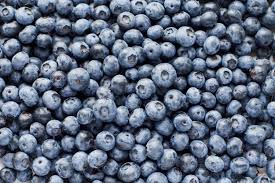
Alma Pak International LLC, a Georgia-based food producer, voluntarily pulled about 400 boxes of its organic blueberries (30 pounds each) from distribution. The recalled product, which was shipped to a single buyer in North Carolina, tested positive for Listeria in two specific batches: Lot #13325 G1060 and Lot #13325 G1096.
The recall began on June 9 following routine testing, and on July 1, the FDA officially labeled the issue a Class I recall. This is the agency’s most serious classification, reserved for situations where a product could potentially cause serious harm or death.
Healthline was unable to get a direct comment from Alma Pak, but in a statement shared with Newsweek, the company said none of the contaminated product made it to consumers.
“The affected product was fully recovered before reaching retail, so there was no risk to public health,” the company said.
Alma Pak added that it has tightened food safety protocols and carried out extensive follow-up testing, all of which came back negative for Listeria.
What to Know About Listeria
While blueberries are usually safe to eat, Listeria monocytogenes is a harmful bacteria that can sometimes contaminate food during processing. When that happens, symptoms can range from mild to extremely dangerous—especially for certain groups.
Typical mild symptoms of listeria infection (or listeriosis) may include:
-
Fever
-
Nausea or vomiting
-
Diarrhea
-
Muscle aches
More severe infections, which may require immediate medical attention, can cause:
-
Headaches and neck stiffness
-
Confusion or balance issues
-
Seizures or convulsions
Those most at risk for severe illness include newborns, pregnant individuals, older adults (65+), and people with weakened immune systems. If you’ve eaten potentially contaminated food and develop flu-like symptoms, don’t wait—talk to your doctor immediately. Early treatment can make a big difference.
How Listeria Gets Into Food
Although this recall involved blueberries, registered dietitian Michelle Routhenstein, MS, says this shouldn’t set off alarm bells for the general public.
“Blueberries are typically safe to eat. Contamination is uncommon, and proper storage and handling greatly reduce the risk,” she explained.
But if Listeria does appear, it usually gets in during the harvesting, packaging, or storage process—often due to:
-
Contact with contaminated water or surfaces
-
Poor hygiene among workers
-
Inadequate refrigeration
-
Dirty equipment
Cross-contamination is another common issue. For example, using the same knife or cutting board for raw meat and then fresh fruit without proper cleaning could easily spread bacteria like Listeria.
How to Protect Yourself
To reduce your risk of exposure to Listeria and other foodborne illnesses, follow these simple steps when preparing fresh produce like blueberries:
-
Rinse fruit under cool, running water before eating.
-
Use a produce brush on fruits with firm or thick skin.
-
Keep fruit refrigerated and separate from raw meat or seafood.
-
Clean your hands, cutting boards, knives, and countertops before and after handling produce.
-
Eat fruit within a few days for maximum safety and freshness.
By practicing good food hygiene and staying informed, you can continue to enjoy your favorite fruits—blueberries included—without worry.
