

For those using GLP-1 weight loss drugs like Ozempic, Wegovy, Mounjaro, or Zepbound, enjoying Thanksgiving meals can present unique challenges. Certain foods common at holiday dinners may worsen gastrointestinal side effects such as nausea, vomiting, and bloating, making it important to plan ahead.
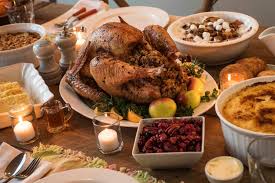
Thanksgiving is synonymous with indulgence—turkey, stuffing, sweet potatoes, and pumpkin pie take center stage. As Dr. Chris McGowan, a gastroenterologist and obesity medicine specialist, notes, “Thanksgiving is all about eating, often to the point of discomfort, as a way to celebrate and show appreciation.”
However, this approach can be physically difficult for the hundreds of thousands of people taking GLP-1 medications. These drugs slow digestion and increase feelings of fullness, which means consuming high-fat, sugary, or greasy foods common at holiday tables may trigger or worsen side effects.
“With the holiday season approaching, it’s crucial to recognize which foods could amplify medication side effects,” McGowan advises.
How GLP-1 Medications Affect Appetite and Food Tolerance
GLP-1 drugs, including semaglutide (found in Ozempic and Wegovy) and tirzepatide (found in Mounjaro and Zepbound), mimic a natural hormone that helps regulate blood sugar, appetite, and digestion. According to Dr. Michael L. Glickman, a family and obesity medicine physician, these medications work by slowing gastric emptying and promoting satiety, which helps reduce portion sizes.
Thanksgiving meals, typically large and rich in carbohydrates, sugar, and unhealthy fats, can stay in the stomach longer and are more likely to cause gastrointestinal discomfort for people on these medications.
Dr. Mir Ali, a bariatric surgeon, emphasizes that symptoms like nausea and vomiting are common side effects and can worsen after consuming heavy, calorie-dense foods.
Thanksgiving Foods to Limit or Avoid While on Ozempic and Similar Drugs
There is no strict “Ozempic diet,” and moderate enjoyment of favorite dishes is possible. However, it’s best to be mindful of portion sizes and limit certain foods known to trigger side effects.
Dr. McGowan highlights several Thanksgiving staples to approach with caution:
-
Stuffing
-
Candied yams (often loaded with butter, sugar, and marshmallows)
-
Green bean casserole (typically heavy with cream and fried onions)
-
Mashed potatoes with gravy
-
Pecan pie
-
Canned cranberry sauce (high in sugar)
-
Macaroni and cheese
Dr. Ali also recommends caution with alcohol, noting its carbohydrate content and potential to worsen nausea and acid reflux.
Since responses to foods can vary, listening to your body’s signals is key.
Thanksgiving Foods Less Likely to Cause Side Effects
Despite these challenges, the holiday can still be enjoyable and nourishing. Dr. McGowan stresses the importance of celebrating social and familial connections without triggering unpleasant side effects.
Dr. Glickman suggests prioritizing lean proteins and fiber-rich, non-starchy vegetables. Roasted turkey—the classic centerpiece of the meal—is an excellent choice if prepared simply.
Other safer options include:
-
Oven-roasted vegetables like carrots, parsnips, and Brussels sprouts
-
Homemade cranberry sauce with reduced sugar
-
Steamed or sautéed green beans
Tips for Managing Thanksgiving Meals on GLP-1 Medications
Planning ahead is essential. Dr. McGowan encourages reflecting on the menu, guest list, and setting to prepare for potential challenges.
Here are some expert tips to make Thanksgiving smoother:
-
Don’t Skip Meals: Skipping meals before a big dinner often backfires by causing extreme hunger and overeating. Prioritize a balanced breakfast and lunch to avoid arriving overly hungry.
-
Bring a Favorite Dish: Contributing a dish you enjoy and tolerate well can ensure there’s at least one food you look forward to eating.
-
Strategize Your Plate: Start with whole foods like lean proteins and vegetables before sampling smaller amounts of heavier dishes. This can improve satiety and reduce side effects.
-
Eat Slowly: Taking time to savor each bite helps you recognize fullness sooner and prevents overeating.
-
Take a Post-Meal Walk: A gentle walk after eating can aid digestion, improve motility, and reduce insulin spikes.
-
Limit Leftovers: To avoid temptation, consider keeping Thanksgiving as a one-meal event. If hosting, send leftovers home with guests; if a guest, either decline or discard them.
Final Thoughts
For those on GLP-1 medications like Ozempic, Wegovy, Mounjaro, or Zepbound, holiday eating requires some mindful adjustments. Recognizing which foods might worsen side effects such as nausea and bloating can help you enjoy Thanksgiving comfortably.
Experts recommend focusing on lean proteins, like roasted turkey, and fiber-rich vegetables, while limiting high-fat, sugary, and carb-heavy dishes. With thoughtful planning and portion control, you can savor the season’s celebrations without compromising your health or comfort.
