

Can protein be heart-healthy? Absolutely, say experts. However, the key to choosing the best proteins for your diet lies in selecting the right sources and eating the appropriate amounts of different types of protein.
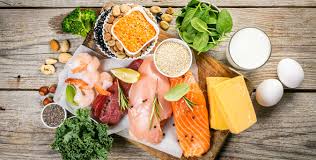
For instance, according to the American Heart Association, many people consume more protein than necessary, often through meats that are high in saturated fats. Excessive intake of saturated fat can lead to elevated levels of low-density lipoprotein (LDL) cholesterol, commonly known as “bad cholesterol,” which increases the risk of heart disease.
Processed meats are particularly concerning. The Harvard School of Public Health notes that these meats are closely linked to cardiovascular disease, partly because of their high sodium content, which can raise blood pressure and strain the heart.
Choosing the Right Proteins for Heart Health
Several studies indicate that replacing fatty meats with heart-healthy protein sources—such as fish, beans, poultry, nuts, and low-fat dairy—can help lower your risk of heart disease. The nutrients in these alternative protein options can improve cholesterol levels, lower blood pressure, and help maintain a healthy weight. By prioritizing these proteins over high-fat meat options, you may significantly reduce your risk of heart attacks and strokes.
A study published in Circulation found that high red meat consumption is linked to a higher risk of coronary heart disease. But by swapping out red meat for other protein sources, the risk of heart disease drops substantially.
For example, eating more fish and nuts has been shown to lower heart disease risk significantly. One serving of nuts daily was associated with a 30% lower risk of heart disease compared to eating red meat daily. Likewise, consuming one serving of fish each day was linked to a 24% reduced risk of heart disease, while poultry and low-fat dairy were associated with a 19% and 13% reduction, respectively.
So, which specific heart-healthy protein sources should you consider, and how much do you need to eat?
Fish: A Top Choice for Heart Health
Fish, particularly fatty fish, is one of the best proteins for reducing the risk of cardiovascular disease. You should aim to eat at least one 3- to 6-ounce serving of fish each week. Tuna and salmon are two of the best options for heart health.
Tuna
Tuna is an excellent source of lean protein, whether fresh, wild-caught, or canned in water. In addition to the protein, tuna is rich in omega-3 fatty acids, which are crucial for heart health. These healthy fats have been shown to reduce the risk of numerous cardiovascular problems.
Tuna is also a good source of vitamins B12 and D, niacin, and selenium. While canned or pouched albacore tuna contains slightly more mercury, opting for chunk light tuna is a safer choice.
Salmon
Salmon is another top pick for heart health. Whether fresh, wild-caught, or canned, salmon is packed with omega-3 fatty acids, which are beneficial for heart function. It also provides important nutrients like phosphorous, potassium, selenium, and vitamins B6, B12, and D.
Wild salmon, in particular, contains higher levels of omega-3s and other nutrients compared to farm-raised varieties, making it a superior choice. For healthy preparation, consider broiling your salmon—cook it for 10 minutes per inch of thickness.
For comparison, a 6-ounce broiled porterhouse steak offers 40 grams of protein but also delivers 38 grams of fat, 14 of which are saturated fats. On the other hand, the same amount of salmon provides 34 grams of protein and only 18 grams of fat, with just 4 grams being saturated fat.
Nuts and Legumes: Heart-Healthy Protein Powerhouses
Nuts and legumes are fantastic protein choices for heart health. Walnuts, almonds, cashews, pecans, and peanuts are great options. These nuts are rich in healthy fats, fiber, and antioxidants, all of which contribute to heart health.
Legumes such as beans, peas, and lentils are also excellent protein sources. They are low in fat, contain no cholesterol, and are packed with fiber. For example, one cup of cooked lentils provides 18 grams of protein and less than 1 gram of fat.
Along with whole nuts and legumes, natural peanut butter and other nut butters can be great additions to a heart-healthy diet. You can consume 2–4 tablespoons of natural, unsweetened nut butter each week to boost your heart health.
Poultry: Lean Protein for Your Heart
Poultry, such as chicken or turkey, is a great lean protein option. One serving of poultry is associated with a 19% lower risk of cardiovascular disease compared to eating red meat daily.
However, not all poultry is created equal. To keep it heart-healthy, choose skinless chicken breasts or turkey instead of fried options like chicken patties. Always trim visible fat and remove the skin before cooking to keep your protein source lean.
Low-Fat Dairy: A Protein Source for Heart Health
Low-fat dairy options, such as milk, yogurt, cheese, and sour cream, should be part of a heart-healthy diet. The Centers for Disease Control and Prevention (CDC) recommends choosing low-fat or fat-free versions of these dairy products to keep saturated fat intake in check.
Although eggs are not technically a dairy product, the CDC suggests opting for egg whites or pasteurized egg whites rather than whole eggs, especially if you’re concerned about cholesterol. Some older studies suggest that while 70% of people show no significant change in cholesterol levels from consuming whole eggs, about 30% of people may experience an increase in LDL cholesterol, specifically pattern A, which is less harmful than pattern B.
How Much Protein Should You Eat?
To determine how much of these heart-healthy proteins you should consume, aim for 10–30% of your daily calories to come from protein. The Recommended Dietary Allowance (RDA) of protein is as follows:
-
Women (19+ years): 46 grams per day
-
Men (19+ years): 56 grams per day
For context, one cup of milk contains 8 grams of protein, a 6-ounce serving of salmon has 34 grams of protein, and one cup of dried beans provides 16 grams of protein. These amounts add up to meet the daily protein needs of an average adult male.
As you plan your meals, consider your protein needs as part of an overall balanced eating strategy. By prioritizing heart-healthy proteins like fish, poultry, legumes, nuts, and low-fat dairy, you’ll be on your way to better heart health.
Conclusion
Heart disease is a major health concern, but choosing the right proteins can help lower your risk. Fish, nuts, legumes, poultry, and low-fat dairy offer the heart-healthy protein benefits you need while limiting the harmful effects of saturated fats found in fatty meats. By choosing these protein sources over red or processed meats, you can protect your heart and improve overall health.
To ensure you’re getting the most from your diet, aim to include a variety of protein sources that are low in fat and high in nutrients. Following these guidelines can be a big step toward achieving a healthier heart and a better quality of life.

Such a great breakdown! I never realized how much of an impact the type of protein I eat could have on my heart health. I’ve been trying to swap out red meat for plant-based proteins, and this post confirmed I’m on the right track. Definitely going to start incorporating more fish and beans into my meals!
I’ve always thought of protein as just something to build muscle, but this article really opened my eyes to its role in heart health too. I’m going to try adding more lean meats and fish like salmon into my diet, and I love the idea of using nuts as snacks. Thanks for the helpful tips!
I’ve been struggling to find heart-healthy options that I actually enjoy eating. This post gave me some great ideas, especially with plant-based proteins like lentils and quinoa. I didn’t know they were so heart-healthy! I’ll definitely be trying some of these options soon.