

Red meat has long been a dinner-table staple — but it also sparks ongoing debates in the health world. On one hand, it’s packed with protein, B12, and zinc. On the other, it’s been linked to heart disease, cancer, and other chronic conditions. So… is red meat healthy or harmful?
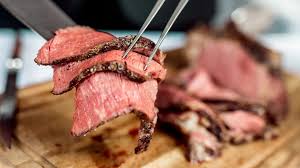
Let’s unpack what the science really says.
What Is Red Meat, Exactly?
Red meat comes from mammals — think beef, pork, lamb, venison, and boar — and is typically red when raw. That’s what sets it apart from white meats like chicken and turkey.
There are also different ways red meat is raised and processed, which can affect bothits nutritional content and health impact:
Conventional meat: Most store-bought meat comes from animals raised in large industrial farms, fed grain-based diets.
Grass-fed meat: These animals graze freely and aren’t confined. Their meat tends to have more healthy fats.
Organic meat: Certified organic meat comes from animals that eat 100% organic feed and are raised without antibiotics or hormones.
Processed meats: Think bacon, hot dogs, sausages — these are smoked, cured, or chemically preserved.
Unprocessed meats: This includes cuts like ground beef or steak with minimal treatment.
Red Meat: A Nutrient Powerhouse?
Yes — red meat is rich in essential nutrients.
Take 4 ounces of 80% lean ground beef, for example. It gives you:
287 calories
19g protein
23g fat
101% of your daily vitamin B12
43% of your daily zinc
Plus good amounts of selenium, iron, and niacin
Red meat contains complete protein — all the amino acids your body needs for muscle growth and repair. It’s also one of the best food sources of vitamin B12, vital for your nervous system, and zinc, essential for immune function.
But there’s a flip side: red meat is high in saturated fat, which can raise LDL (bad) cholesterol levels — a risk factor for heart disease.
What Does Research Say About Health Risks?
❤️ Red Meat and Heart Disease
Some large studies link red meat — especially processed types — to a higher risk of heart disease. One study of 43,000 men found that eating more red meat increased heart disease risk, while replacing it with plant-based protein reduced the risk.
However, not all red meat is equal. Unprocessed red meat hasn’t consistently been linked to higher risk — and some clinical trials show it doesn’t significantly affect blood pressure or cholesterol.
The real concern seems to be with processed meats, due to their high sodium and preservatives.
🎗️ Red Meat and Cancer
In 2015, the World Health Organization labeled:
Processed meat as “carcinogenic to humans”
Red meat as “probably carcinogenic”
Studies link both types to a higher risk of colorectal and breast cancer, possibly due to chemical preservatives, smoking methods, or high-heat cooking like grilling — all of which may produce cancer-causing compounds.
🩺 Red Meat and Type 2 Diabetes
There’s also some evidence tying red meat to type 2 diabetes.
A review of 15 studies found people who ate the most:
Processed red meat had a 27% higher risk
Unprocessed red meat had a 15% higher risk
Again, swapping red meat for foods like eggs, nuts, or legumes seems to lower risk.
Cooking Matters: How You Prepare Meat Counts
How you cook red meat can affect its health impact. High-heat methods like grilling, frying, or smoking can create harmful compounds such as:
HCAs (heterocyclic amines)
PAHs (polycyclic aromatic hydrocarbons)
AGEs (advanced glycation end-products)
These are thought to damage DNA and raise cancer risk.
Healthier Cooking Tips:
Use gentle methods: stewing, steaming, or baking
Avoid burning or charring the meat
Marinate your meat before cooking — herbs and acids can reduce harmful compounds
Flip meat frequently when grilling
So, Should You Eat Red Meat?
You don’t have to give it up completely — but moderation is key.
Many health organizations, including the American Heart Association and WHO, recommend:
Limiting red and processed meat intake
Choosing lean, unprocessed cuts
Enjoying a balanced diet with a variety of proteins (fish, poultry, legumes, etc.)
Final Takeaway
Red meat isn’t the enemy — but it’s also not a miracle food.
✅ Pros:
High-quality protein
Rich in B12, zinc, and iron
Supports muscle and immune health
⚠️ Cons:
High in saturated fat
Processed forms may increase risks for heart disease, cancer, and diabetes
Cooking methods can create harmful compounds
The Bottom Line:
Red meat can be part of a healthy diet — especially if it’s lean, unprocessed, and prepared with care. Just keep portions reasonable, balance it with plenty of veggies and whole grains, and avoid relying on it as your only protein source.

Thanks for this thorough article! I’ve heard so many mixed opinions about red meat, but this really helped me understand both the benefits and risks. It’s clear that moderation and choosing the right types matter.
I really appreciated the distinction between processed and unprocessed meats. Many people don’t realize the difference and treat all red meat the same. More articles like this would be great!
The scientific references made this article very trustworthy. I still eat red meat a few times a week but will pay more attention to how it’s prepared to reduce health risks.
I was surprised to learn that WHO classifies red meat as “probably carcinogenic.” People should definitely be careful and avoid overconsumption, especially with high-heat cooking methods like grilling.
Thanks for sharing this useful information. I’m trying to eat healthier, so I’ll switch to lean cuts and less processed red meat while balancing my diet with other protein sources.
I appreciate articles that look at the science without the hype. Red meat in moderation can be part of a healthy diet
I think the risks of red meat consumption are often downplayed. There’s plenty of evidence linking it to health issues if eaten too often.
It’s complicated. I try to balance red meat with plenty of veggies and plant-based proteins, but it’s nice to see science-based perspectives